
In my years of professional experience, I’ve noticed a recurring theme; companies often spend months picking the right partner and weeks negotiating contracts, only to treat the actual handover of information as an afterthought. It’s a bit like buying a high-performance sports car but forgetting to ask for the keys.
When we talk about building bridges between the USA and Latin America, the “bridge” isn’t just a geographical metaphor, it’s the process of knowledge transfer. Without a robust strategy, your nearshore team is essentially flying blind, and your customers in New York or London will be the first to feel the turbulence.
The Human Element of Knowledge Transfer
Many leaders make the mistake of thinking knowledge transfer is a purely technical exercise. They dump a thousand PDFs into a shared folder and call it a day. But if you’ve ever tried to assemble flat-pack furniture with a missing manual, you know that information without context is useless.
Knowledge transfer is about cultural translation. When I work with teams in Latin America, I emphasize that we aren’t just teaching them what to do; we are teaching them why a customer in the East Coast of the US expects a certain tone or speed.
Explicit vs. Tacit Knowledge
To succeed, you must distinguish between the two:
- Explicit Knowledge: The “how-to” guides, SOPs, and login credentials. This is easy to document.
- Tacit Knowledge: The “unwritten rules.” This includes the nuance of a customer’s frustration or the ability to “read between the lines” during a call. Knowledge transfer fails when companies ignore the tacit side.
Why the Nearshore Model is Ideal for Information Flow
The beauty of working within the USA-LATAM corridor is the synchronous nature of the work. Because we share time zones, knowledge transfer doesn’t have to happen in 24-hour delay loops.
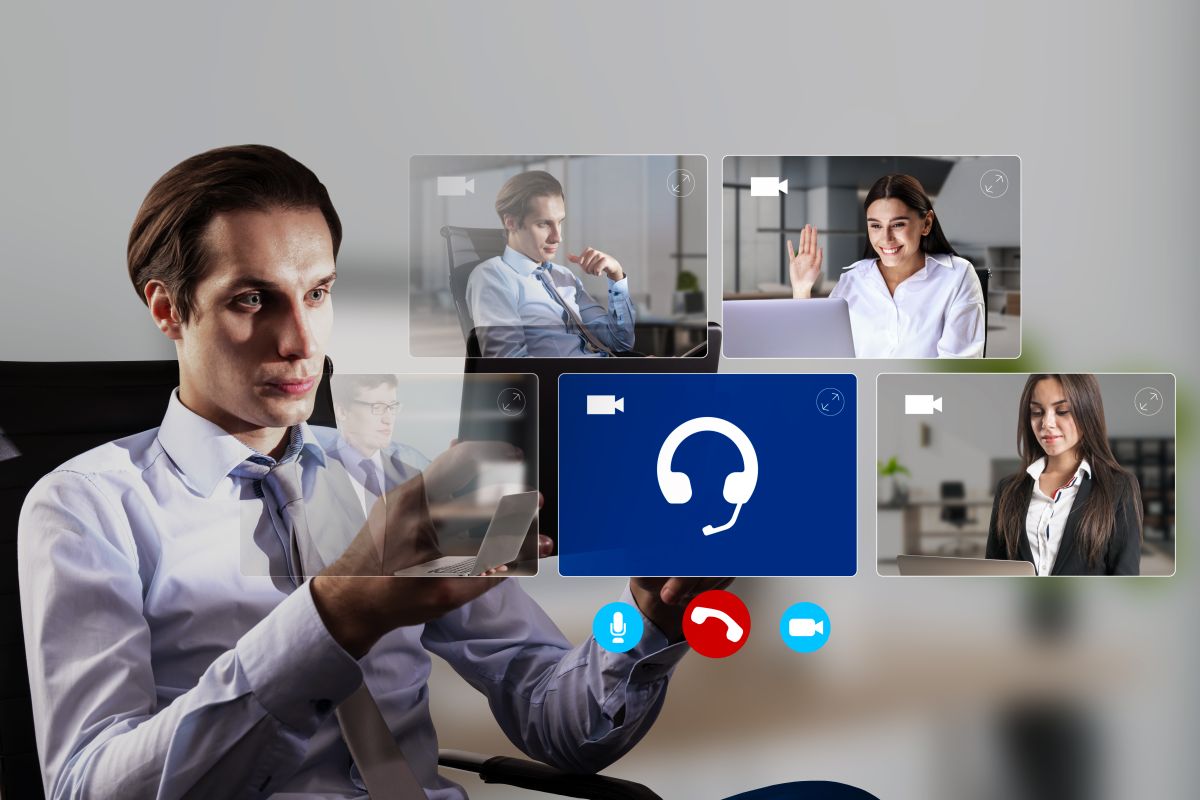
If you are running an automotive call center, for example, a technician in Detroit can jump on a quick video call with an agent in Mexico or Colombia to explain a complex engine part in real-time. This “live” knowledge transfer is what prevents errors and builds confidence.
The Power of Cultural Proximity
One of the reasons I advocate for nearshoring over traditional offshore models is the shared cultural touchpoints. Knowledge transfer is significantly faster when the team in Latin America already understands US consumer culture, sports, and business etiquette. It removes a massive layer of friction from the training process.
Five Steps to a Flawless Knowledge Transfer Strategy
Through my work at Customer Experience Hub, I’ve investigated a five-step framework that ensures nothing gets lost in translation.
1. The “Shadow and Reverse-Shadow” Phase
Don’t just record a webinar. Have your nearshore team shadow your US experts for a week. Then, and this is the crucial part, have the nearshore team perform the tasks while the US experts “reverse-shadow” and give real-time feedback. This is the gold standard for knowledge transfer.
2. Standardisation of Documentation
If your internal Wiki looks like a digital junk drawer, your training process will fail. Create a “Search-First” culture. Every piece of information should be tagged and easily accessible.
3. Implementing a “Train the Trainer” Program
Identify “Knowledge Champions” within your nearshore team. Instead of you training 100 people, you train 5 experts who then own the knowledge transfer for their specific departments. This creates local accountability.
4. Continuous Feedback Loops
Knowledge transfer is not a one-and-done event; it is a continuous cycle. In my experience, the risk of ‘knowledge leakage’. That natural loss of information over time, is at its peak during the first 90 days of a partnership. To combat this erosion and ensure your team stays sharp, it is vital to move beyond initial onboarding and schedule consistent, weekly ‘Knowledge Syncs’ that keep the information fresh and evolving.
5. Using the Right Tech Stack
Avoid “Information Silos.” Use collaborative tools like Notion, Slack, or specialized LMS platforms. For high-volume environments, ensuring your nearshore contact center uses integrated CRM systems is essential for keeping data updated across borders.
Overcoming the “Us vs. Them” Mentality
In my experience, the biggest barrier to knowledge transfer isn’t technology, it’s ego. Sometimes, onshore teams feel threatened by nearshore expansion. They might subconsciously “hoard” knowledge to feel indispensable.
As a leader, you must frame the training process as a way to empower both teams. When the nearshore team is fully trained, the onshore team is freed up to focus on high-level strategy and innovation. Trust is the currency of information exchange.
Professional Insight: I always encourage my clients to host “Virtual Coffee” sessions. When people see each other as colleagues rather than “the vendor,” the flow of knowledge transfer becomes natural and organic.
The Academic Perspective on Cross-Border Learning
In the world of BPO, success often hinges on a team’s ‘absorptive capacity’ their natural ability to recognize the value of new information and apply it immediately to real-world scenarios. In Latin American hubs, I’ve found this capacity to be remarkably high due to strong educational standards and a deep familiarity with US business culture. This means the knowledge transfer process is not just faster, but significantly more efficient, as the team isn’t just memorizing scripts, they are truly absorbing the logic behind your operations.
In Latin American BPO hubs, the absorptive capacity is remarkably high due to the high educational standards and the presence of many US-trained professionals. This makes the knowledge transfer process significantly more efficient than in regions with vast cultural and educational chasms.

Practical Checklist for CX Managers
Before you begin your next nearshore project, ask yourself:
- Do we have a dedicated “Knowledge Lead” for this transition?
- Have we translated our tacit knowledge into actionable steps?
- Is our knowledge transfer schedule aligned with both time zones?
- Do we have a way to measure “knowledge retention” (e.g., quizzes or role-plays)?
If the answer to any of these is “no,” you are risking service degradation. Preventing service degradation begins with a solid foundation of shared information.
Elevate Your Team with Customer Experience Hub
Building a world-class nearshore team requires more than just hiring people; it requires a strategy for excellence. At Customer Experience Hub, we specialize in the “soft” and “hard” skills required to make cross-border partnerships thrive. We don’t just provide talent; we provide the framework that ensures your brand’s voice is never lost.
If you are ready to scale without the growing pains, let us help you bridge the gap. The world of BPO and Nearshore management is evolving faster than ever. Whether you are looking for tips on managing remote teams or the latest in AI-driven support, we are your go-to resource. Visit us at Customer Experience Hub to explore our latest articles, case studies, and expert guides. Let’s build something extraordinary together.
FAQs
The biggest mistake is treating it as a one-way data dump. Effective knowledge transfer must be an interactive, two-way dialogue that allows the nearshore team to ask questions and provide feedback on the processes they are inheriting.
While it varies by industry complexity, a standard knowledge transfer period usually lasts between 4 to 8 weeks, including shadowing, reverse-shadowing, and a “soft launch” period with close supervision.
Success is measured through Key Performance Indicators (KPIs) such as First Call Resolution (FCR) and Quality Assurance (QA) scores. If the nearshore team’s scores match or exceed the onshore team’s benchmarks, the transfer was successful.
Hardly. In major nearshore hubs, English proficiency is extremely high. However, the process should still focus on “localization”—ensuring the team understands specific regional slang or idioms used by customers in New York or London.
Absolutely. Video is essential for knowledge transfer as it allows for facial expressions and visual cues that are lost in text or audio. Recording these sessions also creates a permanent library for future new hires.




Leave a Reply