
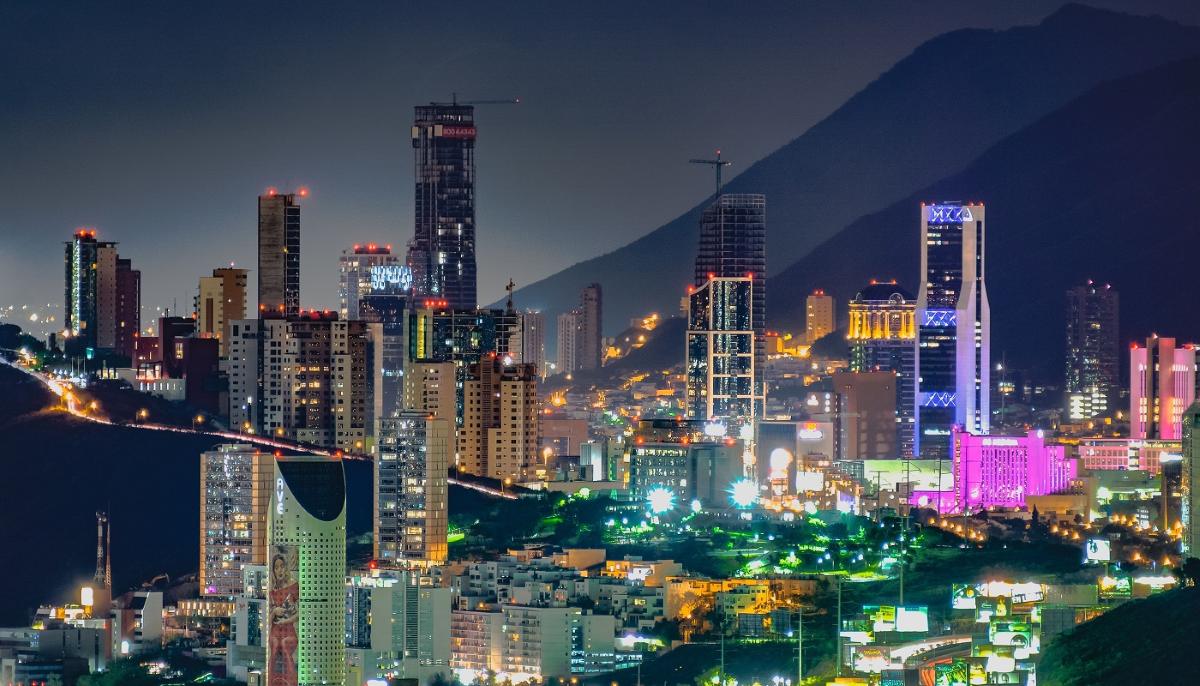
When West Coast leaders ask me where in Mexico they should place a support team, the answer that surprises them most is Nuevo Leon. They usually expect me to say Guadalajara or Mexico City, and both are strong options. But there is something about the way this industrial city has built itself that makes Monterrey support operations perform differently, and often better, than teams built in Mexico’s more service-oriented cities. The reason is not obvious from a map, and it takes some unpacking. Once you see it, though, it changes how you think about where operations should live.
The short version is that Monterrey grew up as an industrial city. That single fact shapes almost everything about how the local workforce approaches work, and it produces a support employee who behaves more like a manufacturing operator than a service agent. That difference matters more than most buyers realize when they choose a location. If you are weighing where to build a US-facing team through a call center Mexico partner, understanding the Monterrey difference is worth the read.
Why Monterrey’s Industrial Workforce Changes Support Operations?
Monterrey has been the industrial capital of Mexico for over a century. It is home to some of Latin America’s largest manufacturers, and its economy is anchored in heavy industry, automotive assembly, steel, and cement. That industrial base has produced a very specific labor culture: disciplined, process-oriented, safety-conscious, and used to shift work with real accountability. In a factory, if you are late, the line stops. That expectation carries into every other kind of work the city does.
The recent nearshoring wave has amplified this. Analysis of the region shows Nuevo León, anchored by Monterrey, has captured a striking share of Mexico’s foreign direct investment tied to nearshoring, with new industrial parks and facilities absorbing much of the new capital. Sector research on nearshoring and industrial concentration in Mexico highlights Monterrey as one of the top industrial construction markets in the country and a central node in the so-called Golden Triangle of Mexican industrial activity. That momentum keeps pulling talent into rigorous, industrial-grade work environments year after year.
The result is a labor market where a support agent showing up on time, following process, and hitting a productivity target is not aspirational, it is baseline. That baseline is what makes monterrey support operations feel different when you actually run one. The floor operates with the tempo of an industrial shift, not the casual rhythm of a call center in a city where support work is a fallback.
How Industrial Culture Shows Up in Monterrey Support Operations
Culture is easy to hand-wave about, but the way it manifests in support work is concrete and measurable. Adherence to schedule tends to be higher in Monterrey than in service-oriented Mexican cities. Quality processes also tend to produce stronger adherence because agents often approach their work with the understanding that following the process drives results rather than getting in their way. Escalation discipline is tighter, because industrial workplaces train people to stop the line rather than push through a defect.
Those attributes translate directly into contact-center metrics. Handle time is more consistent, quality scores are steadier week to week, and the fluctuations that plague operations in more casual labor markets show up less often. The pattern is that Monterrey support operations perform closer to their target every single day rather than averaging out over quarters, which is what a scaling business actually wants.
There is a supervisory dimension too. Because supervisors in Monterrey are often people who came up through industrial or engineering environments themselves, they run coaching with the same rigor that a manufacturing line lead runs quality control. Corrections are specific, timely, and grounded in the standard rather than in opinion. That style of supervision compounds into a team that improves faster and holds its improvements longer.
The Talent Market Behind Monterrey Support Operations
The workforce is not only shaped by the industrial legacy. It is also being reshaped by rapid tech growth. Analysis of Latin American tech-talent markets from independent research on the fastest-growing tech markets in the region identifies Monterrey as the fastest-growing tech workforce in Latin America over the past five years, with employment in tech occupations expanding at a rate that outpaces every other city on the continent. That tech growth sits on top of the industrial base, which gives Monterrey a rare combination of process discipline and rising technical depth.
The educational engine behind it is significant. Tecnológico de Monterrey (Tec de Monterrey), consistently ranked as Mexico’s top university and among the top universities in Latin America, operates its main campus in the city. Together with the University of Monterrey and the Autonomous University of Nuevo León, the local higher-education system produces thousands of engineers, business graduates, and bilingual professionals every year. When you hire from that pool, you inherit both the discipline of the industrial tradition and the technical fluency of a rapidly modernizing tech ecosystem.
Bilingualism runs deep too. Because Monterrey sits only 200 kilometers from the US border, cross-border business is part of daily life, and English is standard equipment for the professional class. This is one of the practical reasons monterrey support operations can staff US-facing accounts at scale without struggling to find agents who sound natural to American customers.
What Makes Monterrey Fit a West Coast Operation?
For a West Coast company, the fit works on several axes at once. The time-zone alignment is strong: Monterrey runs on US Central time, which gives Pacific and Mountain operations a workable overlap across the full business day. The cultural affinity with the US is deep, shaped by decades of trade, family ties, and the constant traffic between the region and Texas. And the industrial-grade approach to running teams is exactly what a growing operation needs when it is trying to move from managed chaos to disciplined process.
The evaluation criteria that decide whether a location is genuinely attractive for services work are well studied. Established analysis of what makes a country attractive for global services ranks talent availability, business environment, and cost together as the criteria that matter most, and Monterrey scores well across all three. The city offers a deep talent pool, a business-friendly environment shaped by decades of manufacturing investment, and cost economics that let providers pay competitive local wages while still delivering meaningful savings against onshore equivalents.
There is a compounding effect worth naming. Because the industrial and tech ecosystems both feed the same labor market, monterrey support operations benefit from professional norms that emerging cities are still trying to build. Punctuality, process, and follow-through are not aspirational goals you need to build; they are already embedded in how work gets done.For a scaling operation that cannot afford to spend a year installing basic disciplines from scratch, that head start is genuinely valuable.

What to Consider Before Placing a Team in Monterrey?
Monterrey is not the automatic answer for every operation, and being honest about the fit matters. This model works well when your team needs disciplined process execution, values schedule adherence and consistent quality over improvisational flexibility, requires bilingual capability, and appreciates a labor culture that treats work as a serious professional endeavor. It may be less suitable when your workload demands high creative agility, extremely informal team dynamics, or a highly experimental operating style.
There are real considerations on the ground worth understanding. Industrial building availability in Monterrey has run tight in recent years thanks to the nearshoring boom, and infrastructure pressure on energy and water is a known constraint that state and federal governments are actively addressing. A good partner will already have secured facilities and know the city’s operational realities firsthand rather than promising you space that does not yet exist.
The comparison against other Mexican options is worth thinking through. Mexico City offers more scale but split across many industries and functions. Guadalajara offers more tech specialization but a slightly different cultural texture. Monterrey offers the tightest process discipline and the most industrial-grade operational rhythm, which is exactly what a certain kind of scaling operation needs. This is closely tied to why time-zone alignment beats cost alone and to how ramp time compresses when supervision is real-time, because Monterrey’s industrial cadence amplifies both effects.
Why Monterrey Support Operations Are Worth a Serious Look?
For the right kind of workload, disciplined, process-driven, US-facing, monterrey support operations deliver a level of operational consistency that is genuinely hard to reproduce elsewhere in the region. The industrial hiring culture is not a slogan; it is a set of daily behaviors that make the team easier to lead, faster to improve, and steadier under pressure. That combination is worth serious consideration when you are choosing where your customers’ experience will actually be created.
The practical next step is simple. If you are exploring nearshore support, ask any prospective partner about their footprint in Monterrey specifically, how deep their local talent pipelines run there, what tenure looks like on their Monterrey accounts, and how their supervisors run coaching in that culture. The specificity of the answers will tell you quickly whether they have done the work to unlock what the city offers, or whether they are running a generic operation that happens to be located there. The Monterrey difference is real, but only for the buyers who choose partners who know how to use it.
| Evaluating cities for a support team? More coverage awaits. The Customer Experience Hub covers nearshore location strategy, workforce culture, and the operational design behind support programs built to scale. Same evidence-based approach as this piece, tailored to the operations leaders comparing Mexican cities on their real merits. Bookmark it if this article helped clarify the choice. Read The Customer Experience Hub → See More on Location Strategy |
Frequently Asked Questions About Monterrey Support Operations
Monterrey grew up as Mexico’s industrial capital, which produced a workforce that is disciplined, process-oriented, and used to shift work with real accountability. That industrial hiring culture translates into support agents who show higher adherence to schedule and quality standards than teams in more service-oriented cities.
Yes. Monterrey is home to Tec de Monterrey, the University of Monterrey, and the Autonomous University of Nuevo León, which together graduate thousands of engineers, business professionals, and bilingual talent every year. Independent research also identifies it as the fastest-growing tech workforce in Latin America over the past five years.
Monterrey runs on US Central time, which gives Pacific and Mountain time operations a workable overlap across the full business day. That alignment enables real-time coaching, faster escalation response, and closer collaboration with US-based teams than any offshore location can offer.
Monterrey is less of a natural fit for workloads that require very high creative agility, extremely informal team dynamics, or a highly experimental operating style. For disciplined, process-driven, US-facing work, however, its industrial-grade approach is a distinct advantage.
Mexico City offers more scale but is split across many industries. Guadalajara offers more tech specialization and a slightly different cultural texture. Monterrey offers the tightest process discipline and the most industrial-grade operational rhythm, which is what a certain kind of scaling operation needs most.